
If you’re planning to ship a vehicle, one of the first decisions you’ll make is whether to choose open or enclosed transport. For most drivers, the answer is surprisingly simple—but there are situations where paying more for enclosed shipping is the smarter investment.
Open car transport is by far the most common shipping method in the United States. In fact, millions of vehicles are transported on open carriers every year, including brand-new cars heading to dealerships. However, not every vehicle belongs on an open trailer.
Many customers compare companies such as Navi Auto Transport when deciding between transport options because understanding the advantages and limitations of open shipping can help you make the right choice for both your vehicle and your budget.
This guide explains when open transport makes sense, when enclosed shipping is worth the additional cost, and how to choose the best option for your vehicle.
What Is Open Car Transport?
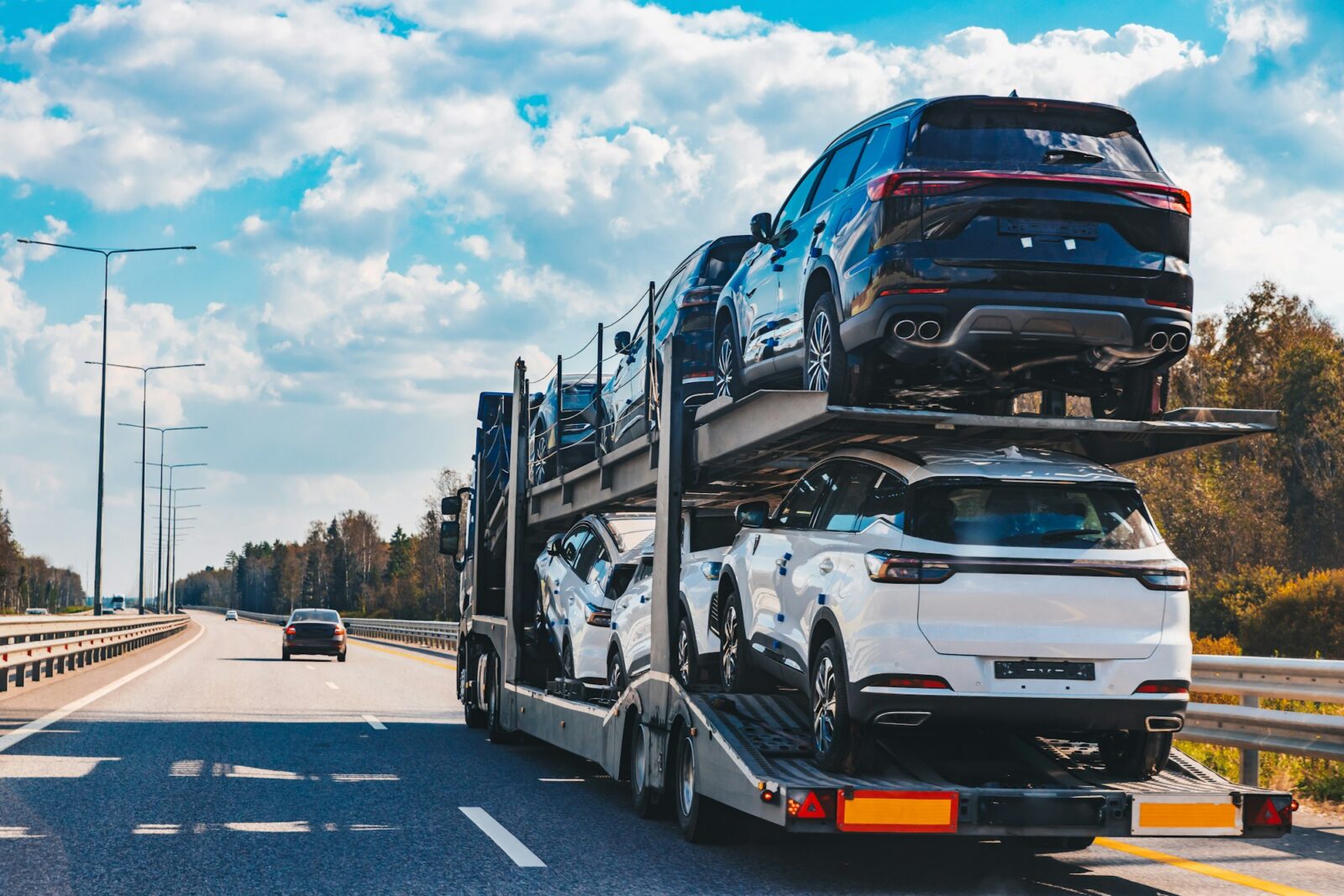
Open transport uses a multi-level trailer that carries several vehicles at the same time.
If you’ve ever seen a large truck transporting new cars on the highway, you’ve already seen an open auto carrier.
This method remains the industry standard because it offers:
- Lower pricing
- Greater carrier availability
- Faster scheduling
- More route options
- Reliable nationwide service
For most vehicles, open transport provides an excellent balance between affordability and convenience.
Why Most People Choose Open Transport
The vast majority of customer shipments use open carriers.
That’s because they’re ideal for:
- Daily-driver vehicles
- Family sedans
- SUVs
- Pickup trucks
- Crossovers
- Lease vehicles
- Company vehicles
If your vehicle is used for everyday transportation, open transport is usually the most practical option.
The Biggest Advantage: Lower Cost
One of the primary reasons customers choose open shipping is affordability.
Because open trailers carry more vehicles than enclosed trailers, transportation costs are shared among more customers.
Compared with enclosed transport, open shipping often saves 30% to 60%, depending on the route and season.
For most households, those savings can be significant during an already expensive move.
Better Carrier Availability
Open carriers are much more common than enclosed trailers.
That means customers usually benefit from:
- Faster scheduling
- More pickup options
- More available routes
- Greater flexibility
If you’re shipping on a busy corridor like:
- Texas to California
- Florida to New York
- Illinois to Arizona
- Georgia to Texas
finding an available open carrier is often quicker than arranging enclosed transport.
When Open Transport Is the Right Choice
Open transport is generally recommended if:
- Your vehicle is a daily driver.
- Your car has average market value.
- You’re relocating across the country.
- You’re moving for work.
- You’re shipping a leased vehicle.
- You’re transporting a family SUV or pickup truck.
Most customers fall into one or more of these categories.
For these shipments, enclosed transport often provides little additional value.
When Open Transport May Not Be the Best Option
Although open transport works well for most vehicles, there are situations where enclosed shipping makes more sense.
Consider enclosed transport if you’re shipping:
- Luxury vehicles
- Collector cars
- Classic automobiles
- Exotic vehicles
- Antique vehicles
- High-value sports cars
- Custom show cars
These vehicles often represent significant financial or sentimental investments.
Additional protection may justify the higher cost.
What About Weather?
One of the most common questions is whether weather damages vehicles transported on open trailers.
In normal circumstances, the answer is no.
Vehicles transported on open carriers experience the same weather conditions they would encounter if driven on public roads.
Rain, sunlight, dust, and normal highway conditions are expected parts of vehicle transportation.
Professional carriers secure vehicles carefully to minimize movement throughout the trip.
Road Debris: Is It a Concern?
Open transport does expose vehicles to typical road conditions.
While serious damage is uncommon, vehicles remain exposed to:
- Dust
- Dirt
- Rain
- Small stones
- Road grime
Most customers simply wash their vehicle after delivery.
If your vehicle has an exceptionally valuable paint finish or custom detailing, enclosed transport may offer additional peace of mind.
Understanding Insurance Coverage
Regardless of transport type, reputable auto transport companies provide cargo insurance while your vehicle is in transit.
Before booking, ask about:
- Insurance limits
- Deductibles
- Claims procedures
- Vehicle inspection process
Also document your vehicle thoroughly before pickup by taking clear photographs from multiple angles.
Preparing Your Vehicle
Before pickup:
- Wash the vehicle.
- Photograph every side.
- Record existing scratches or dents.
- Remove personal belongings.
- Leave approximately one-quarter tank of fuel.
- Remove toll transponders.
- Check tire pressure.
- Ensure the battery is fully charged.
- Report any mechanical issues.
Proper preparation helps make inspections quicker and reduces misunderstandings during delivery.
How Long Does Open Transport Take?
Transit time depends primarily on distance.
Typical estimates include:
- Regional shipments: 2–4 days
- Midwest routes: 3–5 days
- Texas or Florida: 4–6 days
- Coast-to-coast shipments: 7–10 days
Keep in mind that pickup scheduling also requires time.
Most shipments include:
- Carrier assignment
- Pickup window of one to five days
Weather and traffic may occasionally affect delivery.
Common Misconceptions About Open Transport
Many first-time customers believe:
“Open transport isn’t safe.”
In reality, it is the industry’s standard shipping method and is used by manufacturers, dealerships, rental companies, and private owners alike.
Another misconception is:
“Open transport always damages vehicles.”
Professional carriers are trained to secure vehicles properly, and millions of successful deliveries are completed every year using open trailers.
Tips for Saving Money
If open transport fits your needs, you can often save even more by:
- Booking two to four weeks in advance.
- Remaining flexible with pickup dates.
- Shipping between major metropolitan areas.
- Avoiding peak moving season when possible.
- Choosing open transport instead of enclosed service.
These simple adjustments often produce noticeable savings.
Final Thoughts
Open car transport remains the best choice for the vast majority of vehicle owners. It combines affordability, excellent carrier availability, and reliable nationwide service while safely transporting millions of vehicles every year.
If you’re shipping a daily driver, family vehicle, or standard SUV, open transport is usually the most practical solution. Enclosed shipping is best reserved for vehicles where the added protection justifies the higher cost. By understanding the differences before booking, you can choose the option that matches both your budget and the level of protection your vehicle requires.